We are an eCommerce website agency in Lebanon building online stores for shops and brands that sell at home and to customers abroad. We build on WooCommerce, the store system of WordPress, and set it up with your own payment, delivery and pricing rules, so orders that now arrive by message are placed, paid and tracked on your site.
Already online
We fix what slows orders down, from checkout steps to delivery fees.
Orders by message
We plan the catalogue, payment and delivery, then build your store.
More than 100 Google reviews written by our clients
Fashion, beauty, food, gift and electronics shops
Checkout, fees and alerts tested on every method
Beirut team since 2012, for Lebanon and abroad
Selling online in Lebanon has its own rules. Many customers still pay cash at the door, delivery fees change from one area to the next, and part of your orders may come from Lebanese living abroad. We build stores around these habits, so your team spends its time preparing orders instead of answering the same questions in private messages.
Move orders out of private messages and into a clear online cart
Food, cosmetics and crafts sold in Lebanon and abroad
Orders placed abroad for delivery to family in Lebanon
Online orders added to the daily sales of a physical shop
A store has to work on the day it opens: products easy to find, prices clear, delivery fees known before checkout, and every order reaching the person who prepares it. These are the parts we set up and hand over to you.
Every item below is written into your quote.
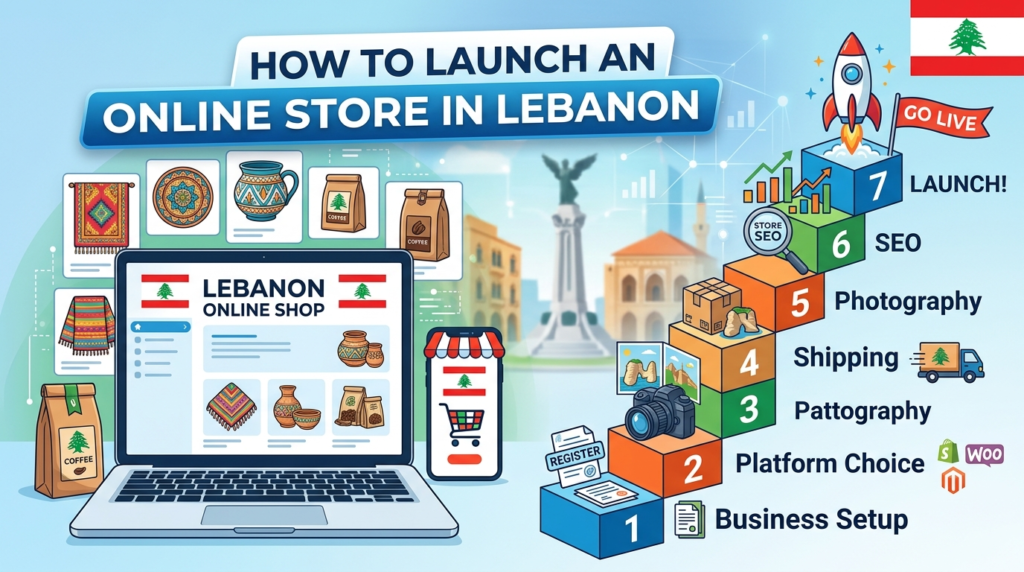
Six steps from your product list to the first real order.
Payment and delivery rules are agreed before the build.
Together we list your products, variants, prices, delivery areas and payment methods, and agree who will process orders. You receive a written scope listing each of them.
We plan the categories, filters and menus, then design the home, category, product, cart and checkout pages, starting with the phone screen.
We build the store on WooCommerce, connect your payment gateway account, and set delivery zones, fees and cash-on-delivery rules area by area.
We import your products from an Excel or CSV file with their images, or enter an agreed number by hand, in each language you sell in.
We place test orders with every payment and delivery method, on phones and computers, and check stock, emails and totals before anything goes live.
We publish the store, connect sales tracking and train your team on products, stock and orders. Logins, files and the gateway account stay in your company’s name.
Three situations we often see in Lebanese stores, what we change in each, and what to measure once the store is live.
The Instagram Shop Buried in DMs
Every sale starts with a price question.
The Checkout That Loses Orders
Carts filled, then abandoned.
The Lebanese Product with Buyers Abroad
Orders from abroad arrive by message.
Reviews posted on our Google profile by businesses in Lebanon and abroad.
A store makes sense when orders already exist but take too much time to handle, or when customers want to buy without waiting for a reply. These five situations come up most often.
You already sell, but each order costs several messages. Product pages answer price, size and stock before anyone asks, and the cart collects the address and the payment method, so your team confirms orders instead of typing the same replies.
Delivery to Beirut does not cost the same as delivery to the Bekaa or the South. We set zones and fees area by area, add a minimum order value where you need one, and show the fee before the customer pays, so there are no surprises at the door.
Gift, flower and food shops often receive orders from relatives living abroad. The store accepts card payments from abroad through your gateway, separates the billing and delivery addresses, and carries a gift message to the person in Lebanon.
Food, cosmetics and crafts made in Lebanon find buyers abroad. We set shipping zones and rates by country, show the product details foreign buyers ask for and let them pay by card, while the shipping contract stays between you and your carrier.
Marketplaces and delivery apps take a commission and keep the customer relationship. On your own store, the customer list, the prices and the order history belong to you, and you decide which promotions to run.
See the projects in our portfolio further down this page, or jump to our client reviews.
Store projects go wrong when the product count, the payment methods or the delivery rules change halfway through. We write them into the scope, test each one with real orders, and hand everything over in your name.
Written scope, tested orders, full handover.
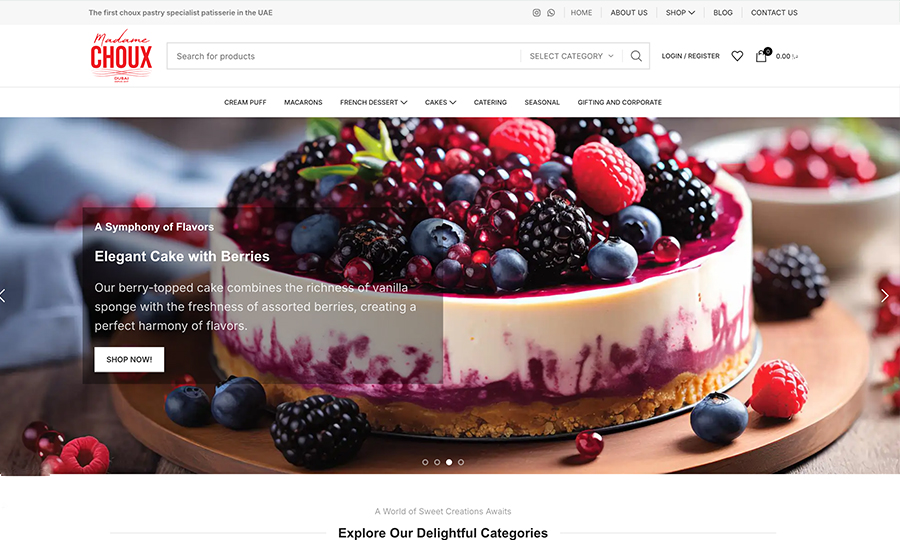
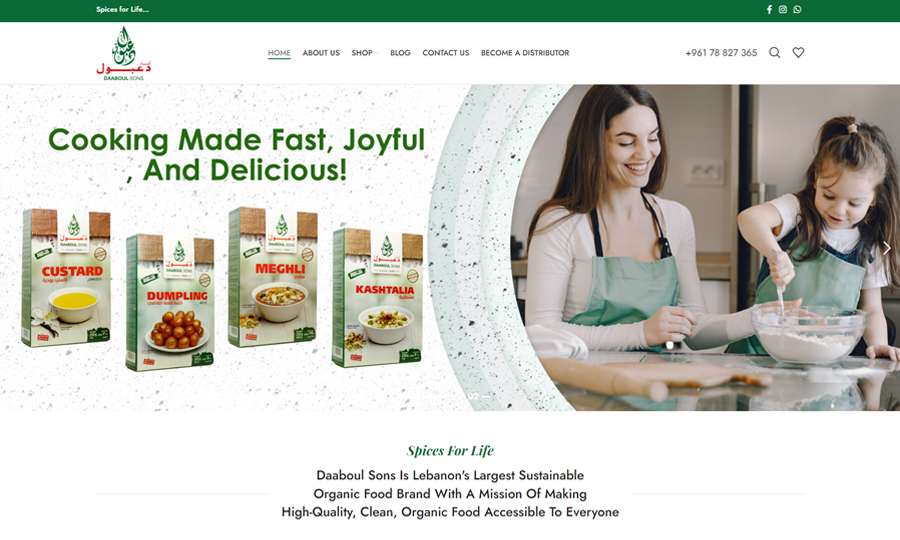
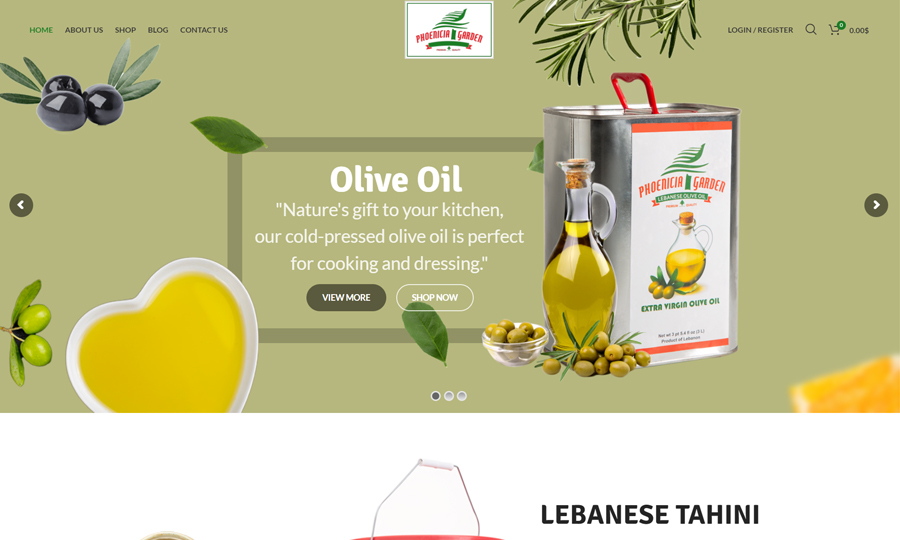
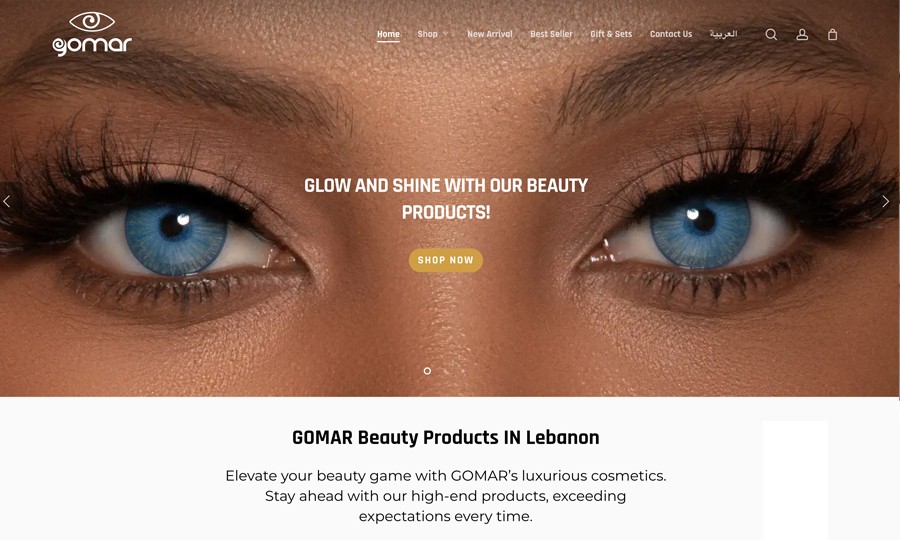
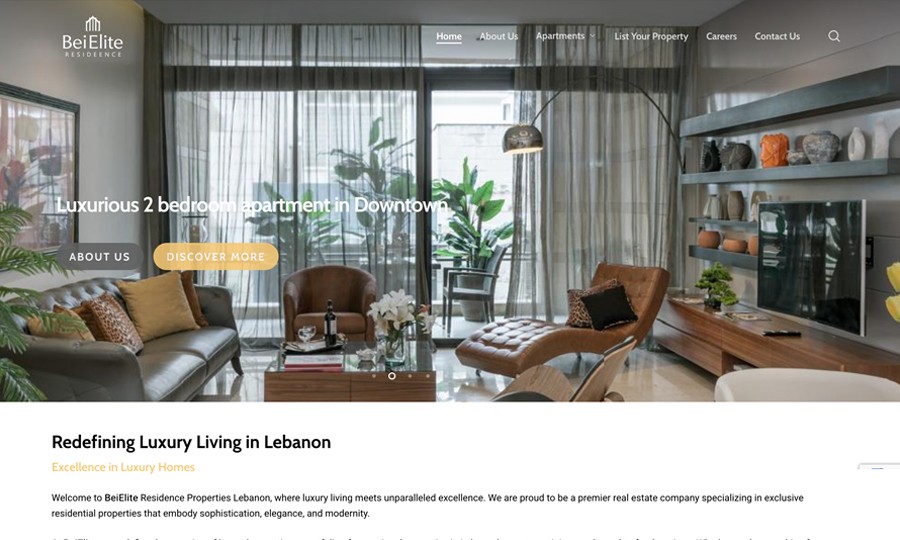
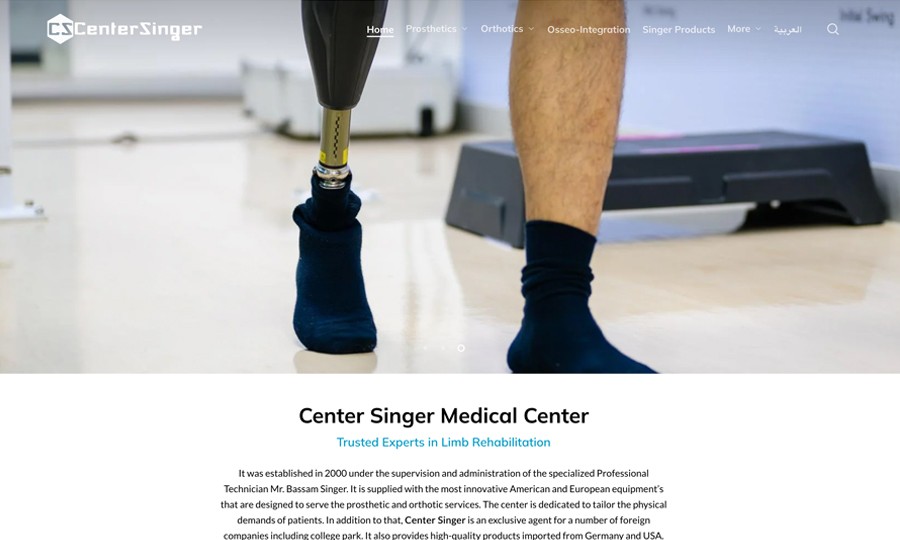
Websites and online projects our team has designed and built. When you request a quote, ask for the examples closest to your sector and catalogue size.
Open any project to see it larger.
Every store starts from the same questions as a website: who buys, in which language, and what they need to see before paying. The answers decide the catalogue structure, the checkout and the delivery rules.
Comparing eCommerce solutions in Lebanon? Ask each provider, ours included, who receives the payments and who owns the store.
Build the Store
Sell & Deliver
Track & Promote
As WooCommerce developers in Lebanon, we recommend the set-up in your quote based on your catalogue size, payment methods and languages, and state the running cost of any paid plugin before you commit.
Online shopping in Lebanon grew up on Instagram and WhatsApp, and many shops still take every order by message. That works until volumes rise, or until a customer abroad wants to pay without a long back-and-forth.
A store set up for these habits takes orders at any hour, including the ones that used to wait for a reply.
These five items decide most of the scope, and the price, of your store:
Not sure about delivery fees or payment methods yet? We work them out with you in step 01.
Creative 4 All s.a.r.l. sets up every online store in Lebanon around what its sector sells. Fashion needs size and colour filters, food needs delivery areas and minimum orders, electronics need specifications and after-sales details, so each catalogue gets its own structure.
Fashion and shoes
Beauty and cosmetics
Food, sweets and coffee
Gifts and flowers
Electronics and phones
Home and furniture
Books and stationery
Crafts and Lebanese products
Brands from Lebanon and abroad that have worked with our team. Not every logo here is a store project: many worked with us on their website, branding or marketing.
Want your brand on this list? Send your product list to get a store quote. We come back with questions or a proposal.
A store’s price depends on the catalogue, the payment and delivery methods and the integrations, so we do not publish a fixed price list. Two stores with the same number of products can differ widely once variants, languages and stock links are counted.
Most stores fall into one of three sizes:
In your store quote, we place the project in one of these sizes and list every payment method, delivery rule and integration, so you can compare offers line by line.

Each size, colour or weight becomes a variant to enter, price and keep in stock.
Every payment method, delivery zone and shipping country adds configuration and test orders.
A second or third language means translated names, descriptions, filters and order emails.
Linking stock to a POS, ERP or accounting tool is quoted according to its API.
Call our Beirut team:
+961 70 885 385 · +961 1 555 105
Prefer WhatsApp? Send us your Instagram page or your product list.
Start a WhatsApp chat with our team
or
Two store quotes can look alike and leave you in very different positions a year later. In one, the payments, the customer list and the admin login are yours. In the other, they sit with the developer or the platform, and every change needs their help.
Hesitating is normal, especially when you already sell through messages. Three quick questions can help:
Do you answer the same price and stock questions in private messages every day?
Do orders slip away when nobody replies in the evening?
Would a small catalogue be enough to test online sales first?
If you answered yes to any of these, request a store quote.

Questions Lebanese shops and brands ask before opening a store: payment, currency, delivery, orders from abroad and stock.

Yes. Cash on delivery is switched on or off for each delivery zone, alone or next to card payment and bank transfer. You can also set a maximum value for cash orders if you prefer card payment above a certain amount.
Yes. The store can display prices in one currency or both, or let the customer choose. Your team updates the exchange rate from the admin panel. How you invoice and declare sales is your accountant’s decision, and we set the store up to match it.


Yes. The store connects to a merchant account opened in your company’s name, through the payment provider’s plugin, so customers pay you directly and we never hold your money. This works with providers that offer a plugin compatible with the store.
Yes. Checkout separates the billing address from the delivery address, can carry a gift message, and accepts card payments from abroad through your gateway. The order email shows the recipient’s details clearly for your delivery team.
Yes, if you have a shipping arrangement for it. We set shipping zones and rates per country or by weight, and hide the countries you do not serve. The contract with the shipping company stays yours.
No. You choose and contract your courier. We set up its zones and fees in the store and, if the courier offers a plugin or an API, we can connect it so orders reach it automatically. Otherwise, orders are exported in a file for your courier.
Yes. We import products from Excel or CSV with their prices, variants, stock and image links. If your data is not ready, entering an agreed number of products by hand can be added to the quote.
Yes. Each product can have its own name, description and filters in Arabic, English and French, with Arabic shown right to left. You supply the texts, or we write or translate them as a paid option in the quote.
Stock is managed on the website. The product catalogue can be synced to Instagram and Facebook through Meta’s catalogue tools, depending on your account and product types; we check eligibility before we commit to it.
A merchant account in your company’s name, approved by your bank or payment provider. Each provider asks for its own documents, usually company registration papers, and approval can take time, so we suggest applying early, while the design is under way.
Every new order sends an email alert to the people you choose and appears in the store’s order list with its status. WhatsApp or phone-app notifications can be added where your set-up supports them; we confirm the options during the brief.
Articles for shop owners and brands selling online in Lebanon: catalogue structure, checkout, delivery, payment options and running a store day to day.