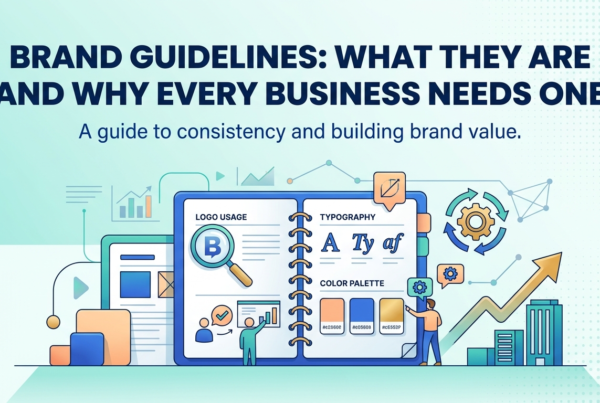


A business can invest heavily in a polished logo, a thoughtfully chosen color palette, and a clear brand voice, then quietly undermine all of it through a website that looks nothing like the Instagram feed, an email newsletter using fonts nobody approved, and a print brochure someone put together without checking any of the actual brand guidelines. Brand consistency digital channels rely on is not a cosmetic nice-to-have — it is the mechanism by which repeated exposure to a brand actually builds recognition and trust, and inconsistency quietly undoes that mechanism one small mismatch at a time.
Why Brand Inconsistency Quietly Erodes Trust?
The Cumulative Effect of Small Mismatches
No single inconsistency — a slightly different shade of blue here, a font substitution there — typically feels like a crisis on its own, which is precisely why inconsistency accumulates unchecked in most businesses. Each individual mismatch seems too minor to address, but the cumulative effect across dozens of small deviations produces a brand that feels subtly unfamiliar or unprofessional to someone encountering it repeatedly across different channels, even when they cannot articulate exactly why.
What Customers Actually Notice?
Customers rarely consciously notice a specific color code being slightly off, but they do notice the broader feeling of a brand that seems different depending on where they encounter it — a website that feels more corporate than the playful social media presence, or a print material with confusingly different messaging than the current website. This inconsistency undermines the sense of a coherent, trustworthy business behind the brand, which matters considerably more for purchase decisions than most businesses realize when they let small inconsistencies slide. Research into consumer behavior consistently finds that recognizable, consistent branding builds trust faster than sporadic exposure to a brand that looks slightly different every time, which is exactly why the cumulative effect of small mismatches deserves more attention than most businesses give it.
Auditing Your Brand Across Website, Social, and Print
What to Check on Each Channel?
A genuine brand audit reviews logo usage, color accuracy, typography, imagery style, and tone of voice across every channel a business maintains — the website, each social media platform, email templates, printed materials, and any signage or physical presence. This audit should compare each channel directly against the business’s actual brand guidelines (if they exist) rather than against each other, since channels can drift consistently in the same wrong direction without the deviation from the original guidelines becoming obvious.
Common Gaps a Brand Audit Reveals
Brand audits consistently surface a few recurring gaps: social media profiles using an outdated logo version, email templates built years ago that never got updated alongside a brand refresh, and printed materials created by a different vendor who never received proper brand guidelines in the first place. These gaps typically accumulate gradually as different people handle different channels over time without a shared, current reference point everyone actually consults before creating new materials.
Building Reusable Templates for Consistency
Why Templates Beat One-Off Design Decisions?
Relying on someone recreating a design decision correctly from memory every time a new social post, email, or document gets created invites drift, since human memory of exact specifications degrades and different people interpret “on-brand” slightly differently without a concrete reference. Reusable templates — for social posts, email headers, presentation decks, printed materials — remove this recurring decision entirely, since the correct fonts, colors, and layout are already built into the template rather than needing to be recreated correctly each time. This is precisely the mechanism behind consistent branding website social media presences share when they actually work well: the template does the remembering, not the person.
What a Practical Template System Includes?
A practical template system includes pre-built layouts for the most frequently created materials (social posts across each platform’s specific dimensions, email headers and footers, basic document templates), each pre-loaded with correct brand colors, approved fonts, and logo placement already handled correctly. Making these templates genuinely easy to access and use — stored somewhere the whole team can find them, in a format they can actually edit — matters as much as building them in the first place, since a template nobody can find or use gets bypassed in practice.
Assigning Ownership Internally
Why Consistency Needs a Named Owner?
Brand consistency degrades specifically in businesses where nobody has clear responsibility for maintaining it, since “everyone’s responsibility” in practice usually means no one consistently checks new materials against brand guidelines before they go live. Assigning a specific person — even in a smaller business, someone who simply reviews new materials before publication as one part of a broader role — as the actual owner of brand consistency creates genuine accountability that diffused responsibility never produces.
A Simple Approval Workflow
A workable approval workflow does not need to be elaborate: a brief review step before any new customer-facing material goes live, checking it against the brand guidelines and existing templates, catches the majority of inconsistencies before they reach an actual audience. This review step should be lightweight enough that it doesn’t meaningfully slow down content production, but present enough that materials genuinely get checked rather than published on the assumption that whoever created them got it right.

Brand Consistency as Part of a Broader Omnichannel Strategy
Why Omnichannel Identity Matters Beyond Aesthetics?
An omnichannel brand identity is about more than matching colors and fonts across channels — it reflects whether a customer’s experience of a business feels like one coherent relationship or a series of disconnected encounters with different organizations that happen to share a name. A customer who follows a business on social media, visits the website, and later receives an email should recognize all three as unmistakably the same business, not just because the logo matches but because the tone, quality, and overall experience feel continuous.
How Consistency Supports the Rest of a Marketing Strategy?
Every other marketing effort a business makes — paid advertising, content marketing, email campaigns — performs better when it builds on a consistent foundation, since audiences need repeated, recognizable exposure to actually remember and trust a brand over time. A business running excellent campaigns on top of an inconsistent brand foundation is essentially rebuilding recognition from scratch with every new piece of content, rather than compounding the recognition already built through consistent prior exposure.
Frequently Asked Questions
An annual comprehensive audit catches gradual drift before it becomes significant, though a business publishing frequently across many channels may benefit from a more frequent, lighter-touch review rather than waiting a full year between checks.
Brand guidelines document the rules (specific colors, fonts, logo usage, tone of voice) in reference form, while a template system implements those rules directly into ready-to-use files for common materials. Guidelines alone still require someone to correctly interpret and apply them each time; templates remove that interpretation step entirely for the most common use cases.
No, different channels can reasonably vary in format and specific content while still maintaining consistent core brand elements — colors, typography, logo usage, and overall tone. A more playful Instagram caption style and a more formal website tone can coexist as consistent brand expression, as long as the underlying visual identity remains recognizably the same.
Even in a small business, designating one specific person — often the business owner or whoever manages most external communications — as the person who reviews new materials against brand guidelines before publication prevents the diffusion of responsibility that typically allows inconsistency to accumulate unchecked.
Opening the website, primary social media profiles, and any recent printed or email materials side by side and comparing them directly against the current brand guidelines quickly surfaces the most obvious inconsistencies, even without a formal, comprehensive audit process.
Ready to Bring Your Brand Back Into Alignment Across Every Channel?
Brand consistency across digital channels is what turns repeated exposure into genuine recognition and trust, rather than a subtly confusing patchwork of near-matches. Creative 4 All helps businesses across Lebanon and the GCC audit their brand presence, build reusable template systems, and establish the ownership structure that keeps consistency from quietly eroding over time. Book a Branding Discovery Call to find out where your brand may already be drifting.